Corporate: Sanepa, Lalitpur, Nepal Factory: Bardaghat, Nawalparasi, Nepal

How to Save Water at Home in Nepal: A Plumbing Expert’s Guide for the Dry Season
Every year, as Nepal enters the dry season from March to May, water shortage becomes a serious concern for households across the country. From urban areas like Kathmandu to growing towns and rural communities, irregular supply, low pressure, and dependency on stored water make daily water management challenging. That’s why everyone must know how to save water at home.
While many people look for quick tips on how to save water at home, the real solution goes beyond simple habits. From a plumbing perspective, water conservation depends heavily on how efficiently your home’s piping system, storage tanks, and water distribution are designed.
In this guide, we’ll break down practical ways to save water and offer expert insights on how proper plumbing systems and quality materials can significantly reduce water wastage in Nepali homes.
Why Water Shortage in Nepal Is Getting Worse
Water scarcity in Nepal is not just seasonal; it is becoming a year-round issue. During the dry months, the situation becomes more critical due to:
- Low rainfall before the monsoon
- Increasing population and demand
- Limited supply infrastructure
- Overdependence on groundwater and tankers
That’s why every household needs to know how to save water at home using both simple habits and efficient plumbing.
1. Fix Leaks at the Source: The Biggest Hidden Water Loss
From a plumbing standpoint, leaks are the number one cause of water wastage. Even a small crack in a pipe or a loose joint can lead to continuous water loss that often goes unnoticed.
In many Nepali homes, low-quality or aging pipes fail under pressure, leading to micro-leaks inside walls or underground lines.
Upgrading to high-quality uPVC and HDPE piping systems ensures:
- Strong joint connections
- High-pressure resistance
- Long-term durability
In many cases, leaks are not just caused by pipes but by poor-quality or improperly installed fittings such as joints, connectors, and valves. Loose connections or low-grade fittings can lead to slow, continuous leakage that often goes unnoticed. Using high-quality fittings along with proper installation ensures tight connections, prevents water loss at critical points, and keeps the entire plumbing system efficient and leak-free.
Recommended Read: Fittings for Plumbing: A Practical Guide to Choosing the Right Components for Your System
2. Optimize Your Water Storage System: Tank Capacity & Plumbing Design
Water storage is one of the most critical elements of managing water shortage in Nepal. However, simply installing a tank is not enough; the entire system must be designed properly. Many households still rely on 1000-litre tanks, which may not meet daily needs during extended shortages. From a plumbing perspective, upgrading to 2000 or 3000-litre tanks should be combined with:
- Proper inlet pipe sizing for faster filling
- Correct outlet positioning for even distribution
- Overflow control systems to prevent wastage
High-quality water tanks, when paired with durable piping, ensure safe storage, reduced leakage, and efficient water usage throughout the home.
Recommended Read: Choosing the Best Large Capacity Water Tank: A Complete Guide
3. Improve Pipe Sizing and Water Flow Efficiency
Incorrect pipe sizing is a common issue in Nepal. Pipes that are too small reduce flow efficiency, while poorly installed systems create pressure imbalances.
A well-designed plumbing system ensures:
- Smooth water flow
- Balanced pressure across all outlets
- Minimal water loss during distribution
Using reliable piping materials helps maintain consistent performance, especially during limited supply hours.
4. Prevent Overflow with Proper Control Systems
Overflowing tanks are a major source of water wastage. Without proper control mechanisms, households lose significant amounts of water during filling. Installing float valves and overflow pipes connected to drainage or reuse systems can prevent this issue. This is a simple plumbing upgrade that has a big impact on water conservation.
5. Reuse Greywater Through Smart Plumbing
From a plumbing perspective, not all water needs to be used once and discarded. Graywater (from washing, cleaning, etc.) can be reused for:
- Gardening
- Cleaning outdoor areas
- Flushing systems
With proper pipe connections and planning, households can significantly reduce overall water consumption.
6. Upgrade to Durable, Leak-Resistant Piping Systems
The quality of your pipes directly affects how much water you save. Low-quality materials are prone to cracking, leakage, and pressure failure.
Kishan Pipe’s uPVC pipes and fittings and HDPE pipes are designed specifically for Nepal’s conditions, offering the following:
- Leak-proof performance
- Resistance to corrosion and wear
- Long service life
This ensures that water is transported efficiently without unnecessary loss.
7. Use Water-Efficient Fixtures with Proper Plumbing Support
Water-saving fixtures like low-flow taps and showers only work effectively when supported by a well-designed plumbing system.
Without proper pressure and pipe quality, these fixtures may not perform efficiently. A balanced system ensures maximum water savings without compromising usability.
8. Plan Water Usage Based on Supply Cycles
In many parts of Nepal, water is supplied at specific times. A well-planned plumbing system allows households to
- Store water quickly during supply hours.
- Distribute it efficiently throughout the day.
- Avoid unnecessary waste.
This makes daily water management much easier during shortages.
9. Regular Plumbing Inspection and Maintenance
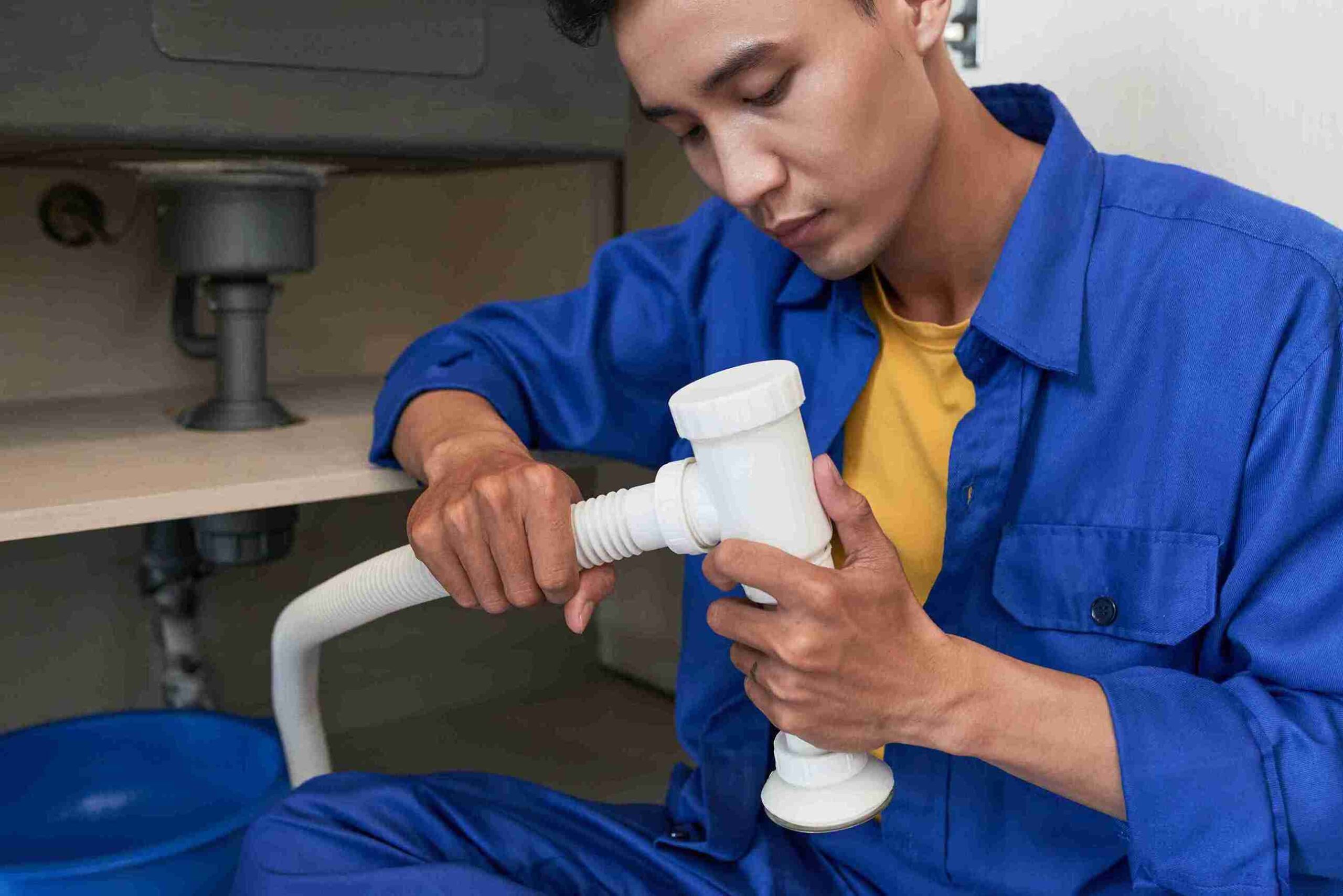
Preventive maintenance is essential for water conservation. Regularly checking pipes, joints, tanks, and fittings helps identify issues before they become major problems.
A well-maintained system ensures the following:
- Minimal leakage
- Better efficiency
- Longer lifespan of plumbing components
Recommended Read: Pipe Maintenance Tips for Homes: Prevent Leaks & Clean Like a Pro
10. Combine Smart Habits with Smart Infrastructure
While daily habits like turning off taps and reusing water are important, they are only part of the solution.
Real water savings come from combining:
- Efficient plumbing design
- High-quality pipes and tanks
- Proper storage and distribution systems
This integrated approach is the most effective way to handle water scarcity in Nepal.
How Kishan Pipe Supports Water Conservation in Nepal
Water conservation is not only about daily habits, but it also starts with using high-quality materials in your plumbing systems. Kishan Pipe plays an important role in helping households across Nepal reduce water waste through reliable, high-performance products.
1. High-Quality, NS-Certified Pipes
Kishan Pipe offers pipes that meet Nepal Standards (NS certification), ensuring consistent quality, safety, and performance. These pipes are designed to handle pressure, resist leakage, and perform reliably in Nepal’s varying conditions. With stronger joints and durable materials, they significantly reduce the risk of cracks, bursts, and hidden leaks, which are one of the main causes of water loss in homes.
2. Durable and Safe Water Tanks
Water storage is a critical part of water conservation. High-quality water tanks from Kishan Pipe are built to prevent leakage, contamination, UV damage, and overflow. Their durability ensures long-term use, while proper design helps households store water more efficiently during periods of limited supply.
3. Complete Plumbing Reliability
From pipes to fittings, using a complete, well-integrated system ensures better water flow and minimal wastage. Poor-quality materials often lead to frequent repairs and water loss, whereas a reliable system maintains efficiency over time.
By combining NS-certified products with proper plumbing design, Kishan Pipe helps households in Nepal not only manage water shortage more effectively but also achieve long-term water savings and sustainability.
Upgrade your home’s plumbing with reliable, NS-certified pipes and durable water tanks from Kishan Pipe. Contact us today to build a system that not only meets your daily needs but also helps you save water efficiently for the long term.
Call us: 01-5184040, 9779801106035
Conclusion
Water shortages during Nepal’s dry season are a growing challenge, but they can be managed effectively with the right approach. Understanding how to save water at home from a plumbing perspective allows households to go beyond basic tips and implement long-term solutions.
From fixing leaks and upgrading pipes to optimizing water tank systems, every improvement contributes to better water efficiency. With reliable plumbing systems and quality products, Nepali homes can significantly reduce water wastage and stay prepared for future shortages.
FAQs
What is the best way to save water at home in Nepal?
The best way is to combine smart daily habits with efficient plumbing systems, including leak-proof pipes and proper water storage solutions.
How does plumbing affect water saving?
Poor plumbing leads to leaks, pressure loss, and inefficient water distribution. A well-designed system helps conserve water effectively.
What size water tank is best for a home in Nepal?
It depends on household size, but many homes benefit from upgrading from 1000 liters to 2000–3000 liters for better storage during shortages.
Which pipes are best for reducing water leakage?
High-quality uPVC and HDPE pipes are ideal as they offer durability, pressure resistance, and leak-proof performance.