Corporate: Sanepa, Laltipur, Nepal Factory: Bardaghat, Nawalparasi, Nepal

Fittings for Plumbing: A Practical Guide to Choosing the Right Components for Your System
A plumbing system is only as strong as the fittings that connect it. While pipes carry water, fittings for plumbing control the direction, flow, pressure, and reliability of the entire system. Poor-quality fittings often cause leaks, pressure drops, and costly repairs, especially in Nepali homes where water pressure and supply conditions can vary.
Whether you are building a new home, upgrading a bathroom, or installing a water tank system, understanding the right plumbing fittings can help you avoid long-term problems and ensure smooth water flow.
What Are Fittings for Plumbing?
Fittings for plumbing are components used to connect, redirect, extend, or terminate pipes within a plumbing system. Without proper fittings, pipes cannot distribute water effectively across kitchens, bathrooms, overhead tanks, and drainage lines.
Plumbing fittings are designed to:
- Change pipe direction
- Connect multiple pipes
- Adjust pipe size
- Control water flow
- Close pipe ends
Choosing high-quality fittings ensures leak-proof connections and long-term durability.
What Fittings Are Required in a Home Plumbing System?
Instead of just looking at categories, it’s important to understand where fittings are used inside a house.
1. Bathroom Plumbing Fittings
In bathrooms, plumbing fittings manage water supply to showers, taps, and flush systems. Common fittings for plumbing in bathrooms include:
- Elbows to change pipe direction
- Tees to distribute water to multiple outlets
- Couplings to extend pipe lines
Since bathrooms often involve concealed pipelines, durable plumbing fittings are essential to prevent hidden leakage.
2. Kitchen Plumbing Fittings
Kitchen plumbing requires fittings that can handle both cold and hot water lines.
- CPVC plumbing fittings are typically used for a hot and cold water supply.
- Reducers help adjust pipe sizes for sink connections.
- Unions allow easier maintenance under sinks.
Because kitchen usage is frequent, strong and properly sized fittings for plumbing are critical.
3. Overhead Tank & Water Supply Connections
Water tank systems require:
- Tees for distribution
- Unions for maintenance
- End caps for closure points
- Reducers for pressure adjustment
In Nepal, fluctuating water pressure makes it important to use pressure-resistant pipe fittings in Nepal that can withstand long-term use.
Which Material Is Best for Plumbing Fittings in Nepal?
Choosing the right fittings for plumbing is not only about pipe compatibility , it is about understanding the application. In Nepal, plumbing systems are generally divided into two main categories: drainage systems and clean water supply systems. Each requires a different type of fitting material.
1. UPVC / PVC Fittings for Drainage and Waste Water Systems
UPVC and PVC plumbing fittings are primarily used in non-pressurized or low-pressure drainage systems. These systems handle:
- Wastewater discharge
- Rainwater drainage
- External sewer connections
- Floor traps and soil lines
In drainage applications, fittings such as elbows, tees, couplings, reducers, and end caps are used to direct and manage wastewater flow. Since waste water systems do not involve high temperature or heavy internal pressure, UPVC/PVC fittings are suitable because they:
- Resist corrosion from wastewater
- Are lightweight and easy to install
- Provide smooth internal flow for drainage
- Are cost-effective for large plumbing networks
In Nepal, PVC and uPVC plumbing fittings are commonly preferred for outdoor pipelines and underground waste systems due to their durability and reliability.
2. CPVC Fittings for Household Clean Water (Hot & Cold)
CPVC fittings are designed specifically for pressurized clean water systems inside homes and buildings. These fittings are used in:
- Kitchen water supply lines
- Bathroom plumbing systems
- Geyser and solar heater connections
- Cold and hot drinking water distribution
Unlike drainage fittings, CPVC plumbing fittings must withstand internal water pressure and temperature variations. That is why they are commonly used for both hot and cold water supply systems.
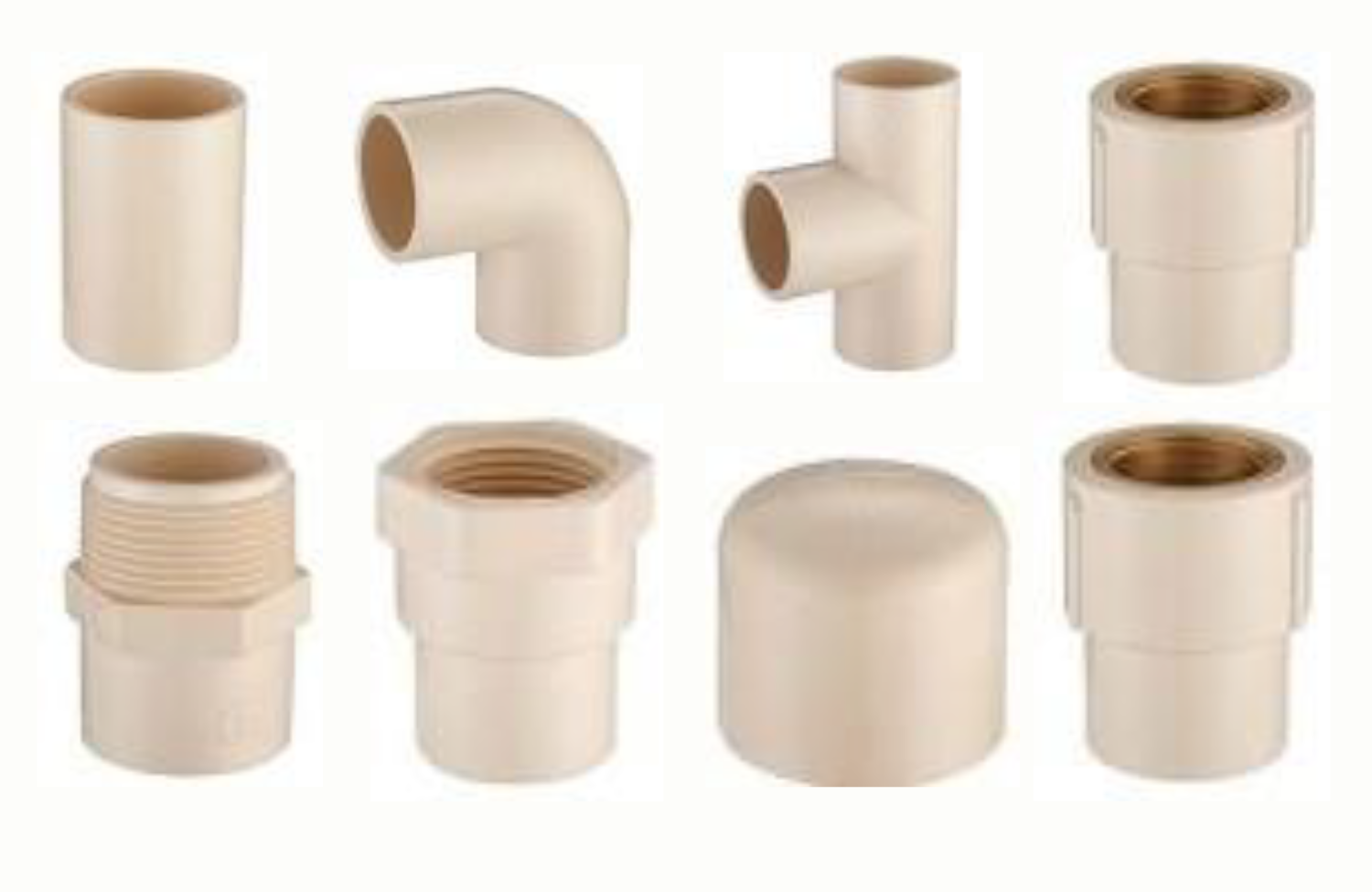
Typical CPVC fittings include:
- Couplings
- 90° and 45° elbows
- Tees
- Reducer couplings
- Male and female adapters
- End caps
- Reducing rings
Solvent-welded fittings form strong, leak-proof joints, perfect for concealed plumbing. For pressurized clean water in Nepalese homes, CPVC fittings are the preferred choice
How to Choose the Right Fittings for Plumbing
Selecting the right fittings for plumbing depends on several important factors:
1. Pipe Size Compatibility
Always match fittings with pipe diameter to avoid leakage or loose connections.
2. Water Pressure
Areas with strong water pressure require thicker, pressure-rated plumbing fittings.
3. Water Temperature
Use CPVC for hot water lines and UPVC for cold water systems.
4. Installation Location
Concealed plumbing systems require higher-quality fittings because repairs are costly.
5. Brand Reliability
Choosing trusted pipe fittings in Nepal like Kishan pipe and fittings, ensures consistency and long-term performance.
Common Mistakes When Choosing Plumbing Fittings
Many plumbing failures happen because of small selection mistakes. Some common issues include:
- Mixing incompatible materials
- Using low-quality fittings
- Ignoring the pressure rating
- Choosing the wrong size reducers
- Poor installation practices
Using properly manufactured fittings for plumbing reduces the risk of cracking, joint failure, and leakage.
Why Quality Plumbing Fittings Matter More Than You Think
Many people focus heavily on pipes but overlook the importance of fittings. In reality, joints are the most vulnerable points in any plumbing system.
High-quality plumbing fittings:
- Prevent leakage
- Maintain water pressure
- Reduce maintenance cost
- Increase system lifespan
- Ensure hygienic water flow
For residential and commercial projects in Nepal, using reliable pipe fittings in Nepal is essential for long-term safety and performance. Brands like Kishan Pipe provide precision-manufactured fittings designed to match Nepal’s plumbing requirements, including pressure variation and climate conditions.
Residential vs Commercial Plumbing Fittings
The type of fittings for plumbing may vary depending on the project scale.
Residential Use
- Standard pressure-rated UPVC fittings
- CPVC fittings for kitchens and bathrooms
- PVC drainage fittings
Commercial Use
- Higher pressure ratings
- Larger diameter fittings
- Stronger threaded joints
Choosing the right plumbing fittings based on application ensures system stability and performance. Want to learn more about how each fitting works in real plumbing systems ,explore our detailed guide on How Fittings Shape Your Plumbing System: Understanding Tees, Elbows, Couplers & More
Looking for reliable fittings for plumbing in Nepal? Choose NS-certified and quality-tested UPVC, PVC, and CPVC fittings from Kishan Pipe, designed for leak-proof performance and long-term durability. Contact us today to find the right solution for your plumbing system.
Conclusion
A well-designed plumbing system depends on selecting the right fittings for plumbing. From bathrooms and kitchens to overhead tanks and drainage systems, each section requires specific materials and proper sizing.
By choosing high-quality plumbing fittings that match your water pressure, temperature, and application needs, you can ensure a durable, leak-proof system that lasts for years. For projects in Nepal, choosing reliable pipe fittings manufactured to meet local standards ensures optimal plumbing performance and long-lasting results.
Frequently Asked Questions (FAQ)
What fittings are used in plumbing?
Plumbing systems use elbows, tees, couplings, reducers, unions, and end caps to connect and control water flow.
Which fittings are best for home plumbing?
For home plumbing, CPVC pipes & fittings are ideal for hot and cold water lines. They’re heat-resistant, durable, and safe for potable water, making them one of the best pipes for plumbing in Nepali homes
Are PVC plumbing fittings good for a water supply?
PVC and uPVC plumbing fittings primarily handle drainage systems, while CPVC fittings efficiently deliver water supply lines.
How do I choose the right fittings for plumbing?
Consider pipe size, water pressure, temperature requirements, and material compatibility when selecting plumbing fittings.