Corporate: Sanepa, Laltipur, Nepal Factory: Bardaghat, Nawalparasi, Nepal

Water Supply Pipes and Drainage Pipes: What’s the Difference and How to Maintain Yours
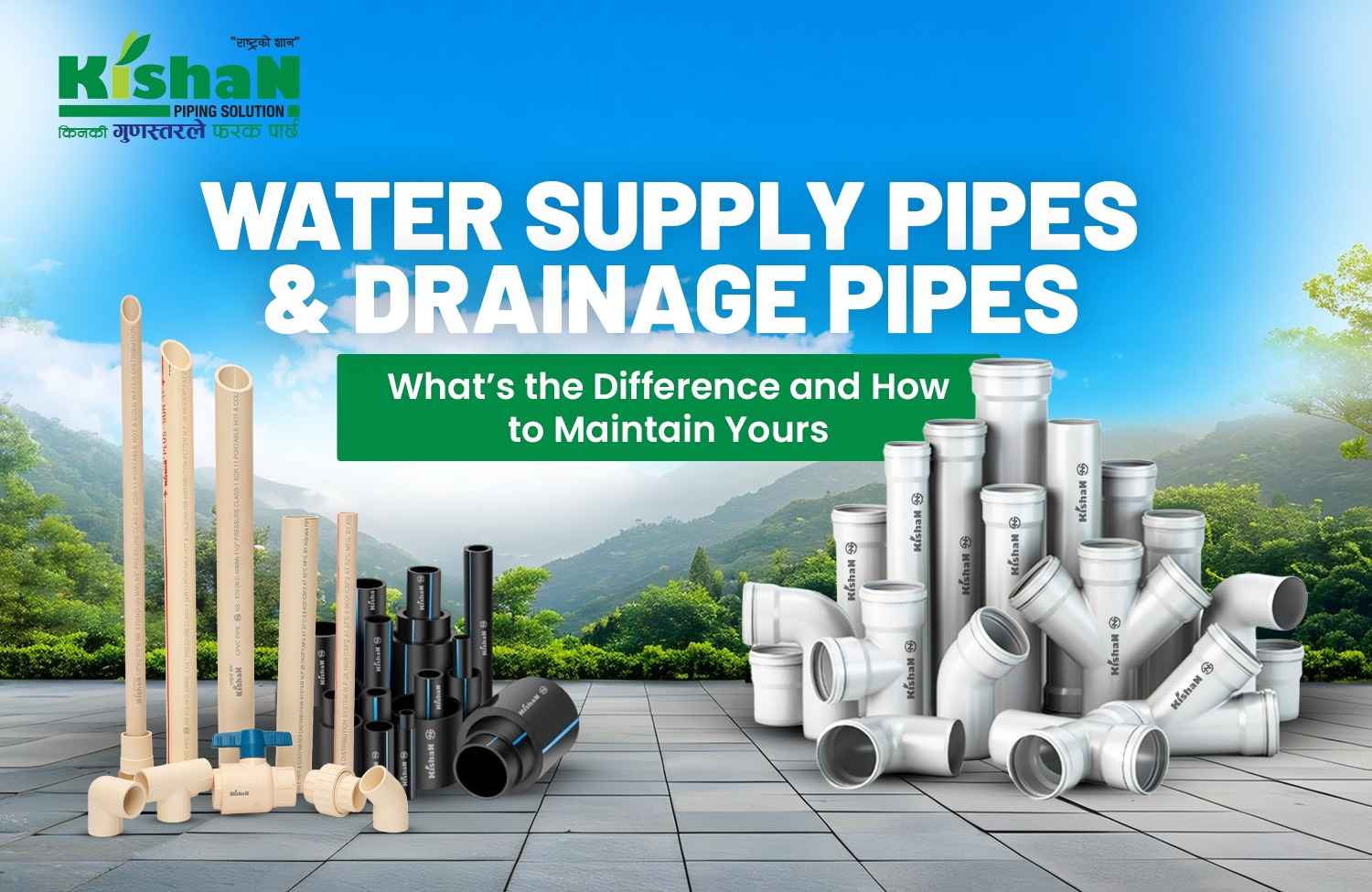
Pipes are one of the most essential parts of any building, yet they are often misunderstood. Many homeowners in Nepal use the terms “water supply pipes” and “drainage pipes” interchangeably, even though they serve very different purposes. Using the wrong type of pipe can lead to leakage, blockage, bad smell, low water pressure, and costly repairs. Understanding the difference between water supply pipes and drainage pipes helps you build a safer and more reliable household plumbing system.
This informational guide explains how water supply pipes and drainage pipes work, where they are used, and how to maintain them properly. It is written in simple language for homeowners, builders, and anyone planning a new house or renovation.
What Are Water Supply Pipes
Water supply pipes bring clean water into your home. These pipes carry water for drinking, cooking, bathing, washing clothes, and other daily needs. Because they transport clean water, water supply pipes must be made from materials that are safe, strong, and resistant to pressure.
In most houses, water supply pipes run from the primary water source to storage tanks, taps, showers, and kitchen points. These pipes usually operate under pressure, especially when connected to pumps or overhead tanks. This is why strength and quality are very important when choosing water supply pipes.
Commonly used materials for water supply are PVC Pipes and Fittings, CPVC Pipes and Fittings , HDPE Pipes, and other approved plastic pipes. Quality water supply pipes help prevent leakage, contamination, and pressure loss. A PVC water supply pipe is commonly used in homes to carry clean water from the main source to taps, sinks, and showers. A CPVC water supply pipe is used in homes to deliver clean drinking water to taps, showers, and kitchen points safely and efficiently
What Are Drainage Pipes
Drainage pipes are used to carry wastewater away from the house. This includes water from sinks, bathrooms, toilets, kitchens, and floor drains. Unlike water supply pipes, drainage pipes do not carry clean water and usually work without pressure.
Drainage pipes rely on gravity to move wastewater from one point to another. As a result, proper slope and correct pipe size are very important. Drainage pipes must also handle waste, soap, grease, and other materials without getting blocked.
These pipes are commonly installed underground or inside walls and floors. PVC and HDPE pipes are widely used for drainage systems because they are durable, smooth inside, and resistant to corrosion. For a detailed guide on HDPE drainage pipes and their uses, you can read our blog, Everything You Need to Know About HDPE Drainage Pipe.
Key Difference Between Water Supply Pipes and Drainage Pipes
| Basis of Difference | Water Supply Pipes | Drainage Pipes |
| Main purpose | These pipes carry clean water into the house for daily use. | These pipes carry dirty water and wastewater out of the house. |
| Type of water | They transport water meant for drinking, cooking, and bathing. | They transport wastewater, sewage, and used water. |
| Pressure | They usually work under pressure from tanks or pumps. | They mostly work without pressure and rely on gravity. |
| Pipe strength | They must be strong and leak-proof to handle pressure. | They focus more on smooth flow than pressure resistance. |
| Hygiene requirement | They must be safe and suitable for drinking water. | They are not meant for clean or drinking water. |
| Common problems | Leakage and pressure loss occur if poor-quality pipes are used. | Blockage and bad smell occur if maintenance is poor. |
Materials Used in Household Plumbing Pipes
Different types of plumbing pipes are used depending on their function. Water supply pipes are often made from materials that can handle pressure and maintain water quality. These materials are tested to ensure they do not affect taste or safety. To learn more about options for water supply and sanitation in Nepal, check out our guide on the Best UPVC/PVC Pipes in Nepal: Enhancing Water Supply and Sanitation
Drainage pipes are designed to allow waste to flow easily. They usually have a wider diameter and a smooth inner surface to reduce the risk of clogging. Using the correct material for each purpose is essential for a long-lasting household plumbing system.
Where water supply and Drainage Pipes Are Used in Homes
In a typical house, water supply pipes are connected to taps, showers, toilets, water heaters, washing machines, and kitchen sinks. These pipes are usually hidden inside walls or floors, but they play a significant role in daily comfort.
Drainage pipes are connected to wash basins, floor traps, toilets, and kitchen outlets. They lead wastewater away from living spaces to septic tanks or sewer lines. Understanding which pipes are used in which areas helps homeowners identify problems early and avoid accidental damage during repairs.
Problems Caused by Using the Drainage Pipe
Using drainage pipes for the water supply or using weak pipes for pressurized water can cause serious issues. Common problems include water leakage, pipe bursting, bad smell, slow drainage, and frequent blockages.
In some homes, low-quality pipes are installed to reduce initial costs. Over time, this leads to higher maintenance expenses and repeated repairs. Choosing the right plumbing pipe types from the beginning saves both time and money.
How to Maintain Water Supply Pipes
Water supply pipes require proper care to ensure clean water flow and prevent leaks. Regular inspection and correct usage can significantly increase their lifespan.
- Check taps, joints, and visible pipe sections regularly to identify leaks early and prevent water damage.
- Avoid excessive pump pressure, as high pressure can weaken pipes and cause cracks over time.
- Ensure proper installation using the correct fittings to reduce stress on pipe joints.
- Replace old or damaged pipes promptly to avoid contamination and prevent sudden pipe bursts.
- Using quality water supply pipes from trusted suppliers such as Kishan Pipe helps reduce maintenance problems and improves long-term performance.
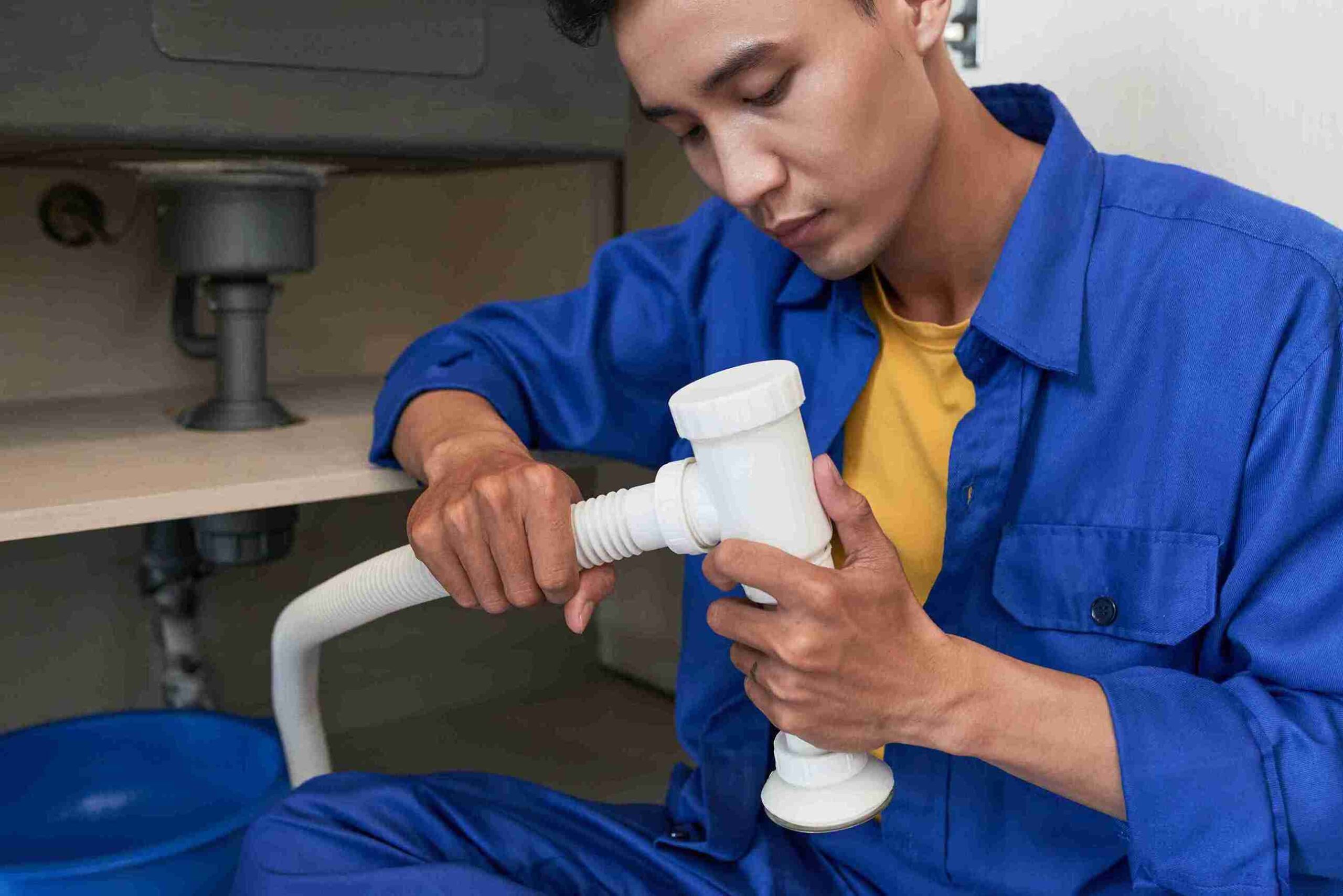
How to Maintain Drainage Pipes
Drainage pipes require routine care to prevent blockage, slow flow, and unpleasant odor inside the house. Simple habits and regular cleaning can keep the drainage system working properly.
- Avoid disposing of food waste, grease, hair, and solid materials into sinks and floor drains, as these cause blockages.
- Clean floor traps and drainage outlets periodically to remove accumulated waste.
- Ensure proper pipe slope so wastewater flows smoothly without stagnation.
- Address slow drainage and bad smell immediately, as these are early signs of blockage.
- Use durable drainage pipes and fittings to reduce the need for frequent repairs and maintenance.
Choosing the Right Pipes Matters
Understanding water supply pipes and drainage pipes helps homeowners make better decisions during construction or renovation. Each pipe has a specific role and must be selected based on its function, pressure requirement, and safety standards.
Reliable pipe solutions from established manufacturers like Kishan Pipe, who are known as Best Pipes And Fittings in Nepal, are designed to meet everyday household needs while ensuring durability and performance.
Conclusion
Water supply pipes and drainage pipes are essential parts of every home, but they serve very different purposes. Knowing the difference between them helps prevent common plumbing problems and ensures a healthier living environment. With proper pipe selection, installation, and maintenance, households can enjoy a safe and efficient plumbing system for years to come.
Frequently Asked Questions
1. Can water supply pipes and drainage pipes be used interchangeably
No, water supply pipes and drainage pipes should never be used interchangeably. Water supply pipes are designed to carry clean water under pressure, while drainage pipes are meant to remove wastewater using gravity. Using the wrong pipe can cause leakage, contamination, blockage, and long-term plumbing problems.
2. Which pipes are safe for drinking water in homes
Pipes used for drinking water must be made from approved and hygienic materials. High-quality water supply pipes, such as PVC, CPVC, and HDPE, that meet safety standards are commonly used in homes.
3. Why do drainage pipes get blocked frequently
Drainage pipes usually become blocked by food waste, grease, hair, soap residue, and other solids entering the system. Improper pipe slope and poor maintenance can also cause frequent blockages. Regular cleaning and correct installation help reduce this problem.
4. How often should household pipes be checked?
It is recommended to inspect visible water supply and drainage pipes at least once or twice a year. Early detection of leaks, cracks, or slow drainage helps prevent costly repairs and damage to walls and floors.
5. What are the signs of damaged water supply pipes?
Common signs include low water pressure, damp walls, unexpected water bills, and visible leaks near joints or fittings. These issues should be addressed quickly to avoid further damage.
6. Does pipe quality really affect maintenance costs?
Yes, pipe quality plays a significant role in long-term maintenance. High-quality pipes are more durable, less prone to leakage and blockage, and require fewer repairs. Choosing reliable pipe solutions from manufacturers like Kishan Pipe helps reduce overall maintenance expenses.