Corporate: Sanepa, Lalitpur, Nepal Factory: Bardaghat, Nawalparasi, Nepal

CPVC vs PPR Pipe: Best Choice for Hot Water Plumbing in Nepal
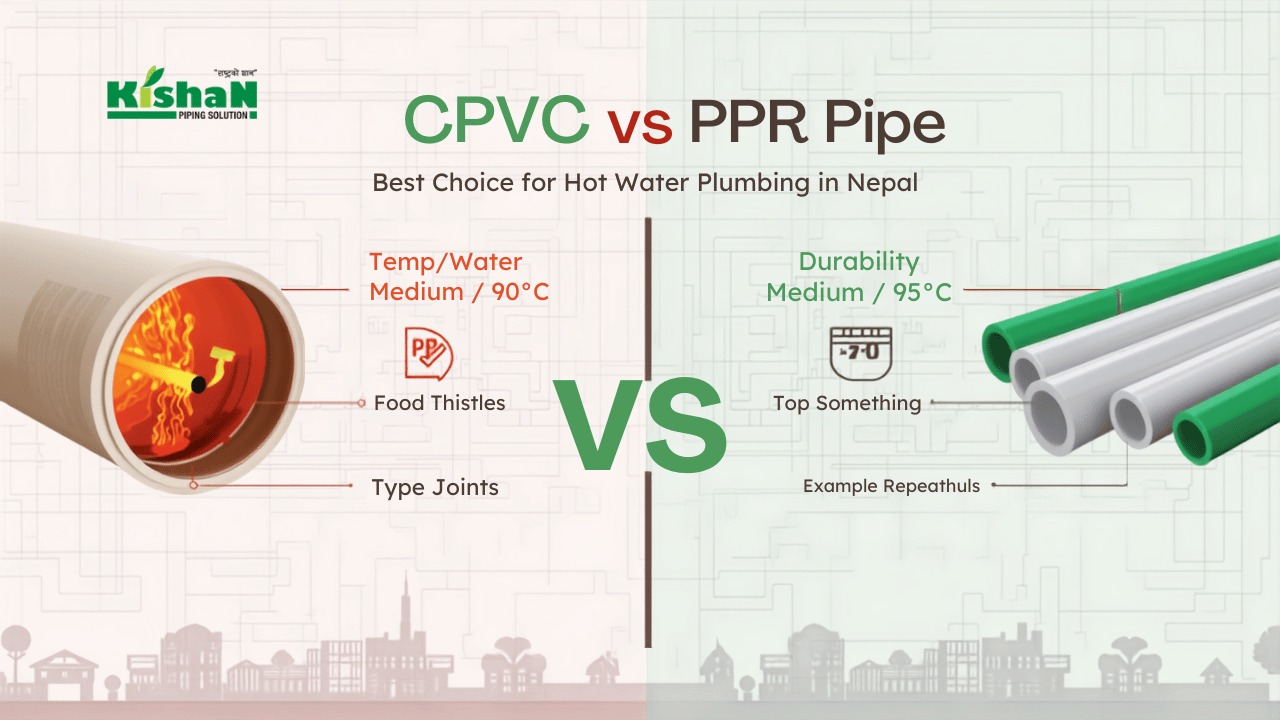
If you are building a new house or fixing up your bathroom in Nepal, there is a good chance you have run into this exact problem. You need a pipe for your hot water line, and everyone around you is talking about two names: CPVC and PPR. Your plumber might suggest one, your neighbor swears by the other, and the hardware shop has both sitting on the shelf.
Here is the real issue. Picking the wrong pipe does not just cost you money once; it can cost you twice. A pipe that cannot handle heat properly can crack near the geyser and force you to redo the whole wall. On the other hand, paying extra for a feature you never actually needed is just wasted money that could have gone somewhere else in your home.
In order to make the process of selecting the best water pipe for your hot water plumbing simple rather than confusing, this guide explains the differences between CPVC vs PPR pipe, their costs in Nepal, how they handle heat, how to install them, and how long they last. Everything you read here is based on actual product expertise and market data from Nepal, not simply guesswork.
What is a CPVC Pipe?
CPVC means chlorinated polyvinyl chloride, a plastic pipe made to handle both hot and cold water safely inside your home.
Here is what makes a CPVC pipe and fittings different from a normal plastic pipe:
- It is made by adding chlorine to regular PVC, which makes it strong enough to handle hot water without softening or bending
- It is joined using solvent cement welding, which is basically a strong plastic glue, so no torch or heating machine is needed
- It is commonly used in homes for hot water lines, geysers, and solar heater connections
Because it is a type of thermoplastic pipe, it also resists rust and corrosion completely, something old metal pipes could never do.
What is a PPR Pipe?
PPR stands for polypropylene random copolymer, a plastic pipe that is joined by melting the material together instead of using glue.
A few quick facts about PPR pipe:
- It is joined using heat fusion welding, which means a special machine melts the pipe and fitting so they become one solid piece
- It is well known for handling high heat for long periods without any trouble
- In Nepal, PPR pipe is widely available across the market, and checking the current PPR pipe price list in Nepal is usually the first step buyers take before purchasing
Like CPVC, PPR is also a thermoplastic pipe, and it holds up well against chemical resistance, which matters if your water source has minerals or additives.
CPVC vs PPR Pipe: Key Differences at a Glance
Before deciding, it helps to see both pipes side by side. This is exactly what most people search for when comparing CPVC pipe vs PPR pipe comparison options.
| Feature | CPVC Pipe | PPR Pipe |
| Joining method | Solvent cement welding (glue) | Heat fusion welding (melting) |
| Installation tool | Simple hand tools | Heat fusion machine |
| Max temperature | Around 90°C | Around 95°C |
| Flexibility | Rigid, less flexible | More flexible |
| UV resistance | Better UV resistance than PPR, but prolonged direct sunlight can still reduce the lifespan of any plastic pipe. | Needs shade or covering |
| Typical use | Hot and cold water, geyser lines | Hot and cold water, heating systems |
| Eco-friendliness | Non-recyclable | Recyclable |
In short, CPVC vs PPR pipe really comes down to how you plan to install it and where it will be used, not just which one sounds fancier.
CPVC vs PPR Pipe: Temperature and Pressure Rating
A good hot water pipe needs to handle two things at the same time, heat and water pressure, not just one of them.
Here is how the two compare:
- CPVC pipe temperature rating sits at around 90°C, which is more than enough for a typical home geyser or solar heater
- PPR pipe temperature rating goes slightly higher, around 95°C, making it a strong choice for systems that run hot water continuously
- Both pipes lose a little bit of their pressure strength as the water gets hotter, this is completely normal and expected with any plastic pipe
If you are curious about cpvc pipe sizes, both CPVC and PPR come in a wide range, usually from 15mm up to 110mm, so size will rarely be the deciding factor between the two.
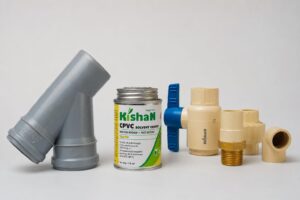
Pipe performance depends not only on material but also on manufacturing quality. Kishan CPVC pipes are manufactured according to ASTM D2846 specifications and are NS 570 certified, ensuring they meet recognized standards for pressure handling, durability, and hot water applications.
Installation process: CPVC Solvent Welding vs PPR Heat Fusion
Think of it this way. CPVC pipes are joined together like using a very strong plastic glue, while PPR pipes are joined by melting the ends together with a small machine, almost like welding metal, but for plastic.
Here is how to install CPVC pipe compared to PPR:
- CPVC installation is faster, needs only basic hand tools, and is affordable enough for small home repairs or even a careful DIY job
- PPR installation needs a heat fusion machine and someone with proper training, which makes it better suited for bigger construction projects
If you are doing a small home fix yourself, CPVC is usually the easier and cheaper route. If you are working with a professional plumber on a full building project, PPR installation makes more sense.
Durability and Lifespan: Which One Lasts Longer?
Both pipes can easily last for decades if installed correctly, but they age differently depending on where they are used.
- CPVC is rigid and strong. Long-term exposure to direct sunlight without protection may gradually reduce the impact resistance of CPVC.
- PPR is more flexible, which helps it handle small movements or vibrations without cracking, and it tends to perform very well indoors for a very long time
Both pipes offer leak proof joints when installed the right way, so the real difference in lifespan usually comes down to installation quality and where the pipe is placed, not the material alone.
Also read: How to stop pipe leaks?
CPVC Pipe Price vs PPR Pipe Price in Nepal
Price is often the deciding factor for most Nepali households, so let us keep this simple and honest.
- CPVC pipe price in Nepal vary depending on SDR rating and diameter. According to Kishan Pipe’s latest CPVC pipe price list, prices currently start from around NPR 157 per meter for smaller sizes and increase for larger diameters. Always check the latest official price list before purchasing.
- The PPR pipe price list in Nepal shows that the current price list ranges from around NPR 500 to NPR 3,500 per piece, again depending on size
One thing many buyers forget is that PPR often needs extra spending on a fusion tool or hiring one, while CPVC does not need any special machine at all, which can make it the more cheapest pipe for hot water Nepal option once total installation cost is added up.
Whichever pipe you choose, always check for the NS certified CPVC pipe Nepal mark on the body of the pipe itself before buying. This Nepal Standard mark confirms the pipe has passed quality testing and is not a cheap imitation.
Best Use Cases: Where Each Pipe Works Best
It is not true that every pipe fits every job. Here is a simple breakdown by use case:
- Geyser or solar heater lines: CPVC works great here because it installs quickly and handles the heat well compare to other pipes
- Apartment or high rise water risers: PPR tends to be the better fit for long vertical runs thanks to heat fusion joints
- Bathroom or kitchen hot water taps: either pipe works fine for this
- Outdoor exposed pipe runs: CPVC holds up better against sunlight over time
This kind of practical matching matters more for your House or residential plumbing system than simply picking the pipe that sounds more advanced.
CPVC or PPR: Which One Should You Choose?
Here is a simple way to decide between CPVC or PPR for hot water plumbing based on your actual situation:
- Choose CPVC if you want easier DIY installation, lower upfront tool cost, and better resistance to outdoor sunlight
- Choose PPR if you are working on a very large building project, need maximum flexibility, and can afford the fusion equipment
- If you’re looking for locally made CPVC pipes that are certified under NS 570 requirements, constructed in accordance with ASTM D2846 regulations, and supported by a reliable supply and post-purchase assistance throughout Nepal, choose Kishan CPVC Pipes.
At the end of the day, which pipe is better, CPVC or PPR, depends less on the material itself and more on your budget, your project size, and how soon you need it installed.
Conclusion
Once you understand what really matters for your home, choosing between CPVC and PPR pipe in Nepal doesn’t have to be difficult. CPVC is more cost-effective up front, easier to install, and more resilient to outside sun exposure. PPR works well for larger, expertly constructed projects and has slightly superior heat resistance. When purchased from a reputable, NS-certified supplier, both are dependable, safe options for hot water and are best for home plumbing in Nepal.
Kishan Pipe manufactures NS-certified CPVC pipes and fittings right here in Nepal, giving homeowners a dependable, locally made option they can trust for years to come. If you are ready to buy CPVC pipe in Nepal, reach out to Kishan Pipe today for genuine products and expert guidance on choosing the right size for your home.
Frequently Asked Questions
1. Which pipe is better, CPVC or PPR?
There is no single pipe that is universally better; it depends on your project. CPVC is easier and cheaper to install for home use, while PPR handles slightly higher heat and suits bigger projects with professional installation.
2. Is CPVC pipe safe for hot water?
Yes, CPVC pipe is completely safe for hot water and is specifically designed for this purpose. It can safely handle water temperatures up to around 90°C without any issue.
3. Is PPR pipe safe for drinking water?
Yes, PPR pipe is considered safe and hygienic for drinking water. It does not release harmful chemicals into water and is widely used in homes across Nepal for this reason.
4. Which pipe lasts longer CPVC or PPR?
Both pipes are capable of lasting decades when fitted properly. Long-term exposure to direct sunlight without shielding may gradually weaken CPVC’s impact resistance.
5. How much does a CPVC pipe cost in Nepal?
CPVC pipe price in Nepal typically rstart from around NPR 157 per meterpiece, depending on the size and, brand you choose.
6. Where can I buy CPVC pipe in Nepal?
You can buy genuine, NS-certified CPVC pipe directly from different pipe manufacturing company such as Kishan Pipe, mangalam pipes and, Nepatop, a trusted Nepal-based manufacturer, or through authorized hardware stores across the country.